
Ceilings Restored After Leak Exposure
Ceiling Water Damage Repair in El Paso for properties with staining, sagging, or compromised materials from roof leaks and plumbing failures
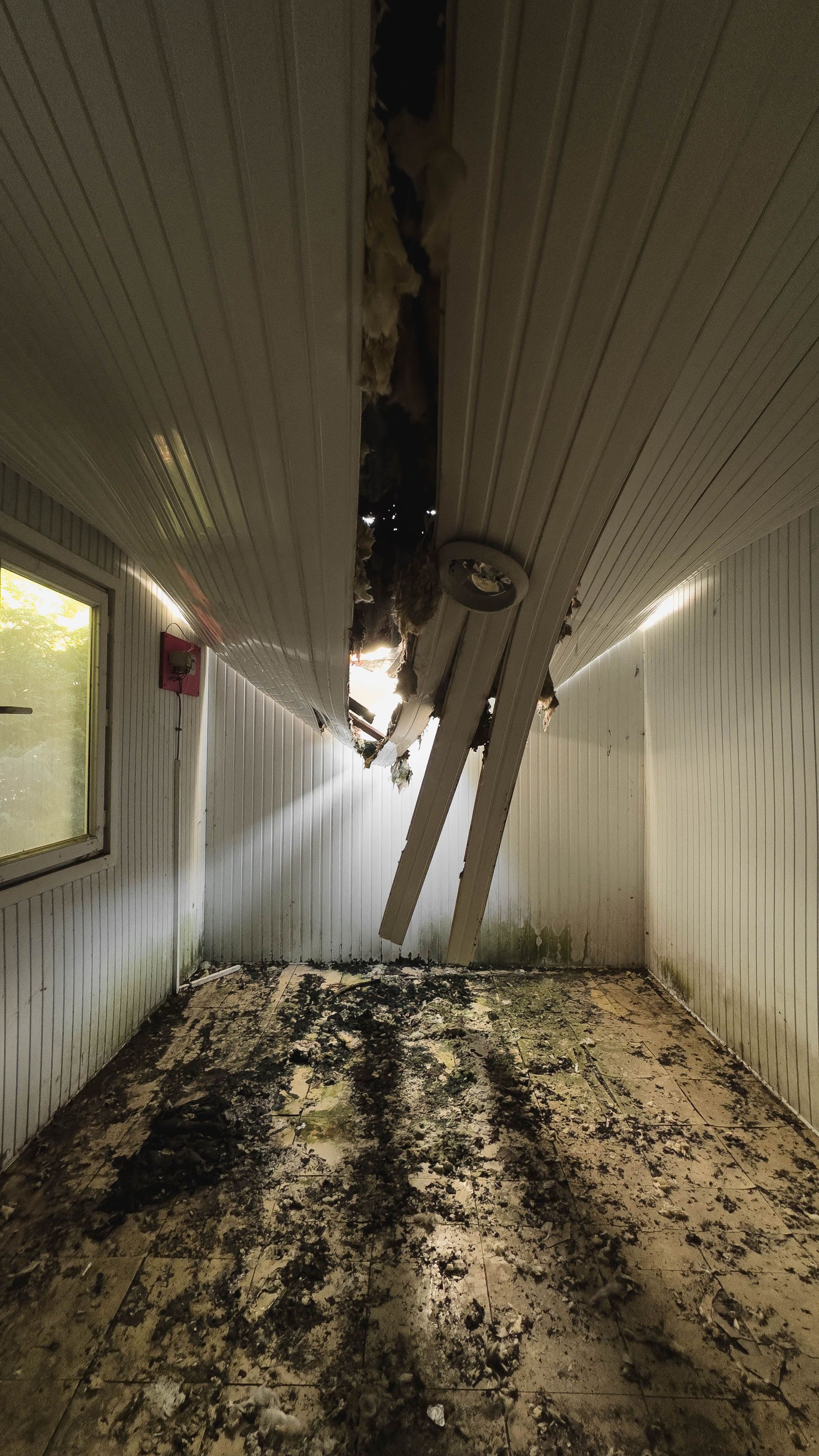
Ceiling water damage appears as brown or yellow staining that spreads outward from the leak source, sagging sections where drywall has absorbed moisture and lost rigidity, or crumbling texture that falls away when touched. Premier Home Updates identifies the extent of water intrusion, removes stained and structurally compromised ceiling materials, and restores both the appearance and integrity of affected areas. The work addresses not just the visible damage but also the conditions that allow mold growth—trapped moisture, saturated insulation, and porous surfaces that remain damp long after the leak is repaired.
Water damage repair requires confirming that the leak source has been permanently resolved before ceiling restoration begins. Installing new drywall over an active leak or inadequately dried framing guarantees that damage will recur, often with mold growth hidden behind fresh finishes. The repair process includes cutting back damaged material to solid, dry drywall, allowing framing and insulation to dry completely, and installing new sections that match existing textures.
Schedule a property evaluation to identify the full extent of ceiling water damage and necessary repairs.
What You Notice Once Water Damage Is Addressed
Repairing water-damaged ceilings involves removing stained or sagging drywall back to structurally sound material, inspecting and drying ceiling joists and insulation, and installing replacement drywall with stain-blocking primer applied before texture and paint. Sagging sections are cut out entirely because water-weakened drywall never regains its original strength—attempting to dry and repaint compromised material leaves soft spots that eventually collapse. Stain-blocking primer prevents tannins and discoloration from bleeding through new finishes, a common problem when stained drywall is simply painted over without proper sealing.
Once repairs are complete, ceilings appear flat and uniform without discoloration, sagging, or texture differences that reveal where water damage occurred. Surfaces become structurally sound, with no soft areas that flex when pressed or crumbling sections that shed texture particles. The repaired areas accept paint without the streaking or color variation that indicates incomplete stain blocking, and the ceiling regains its original appearance across the entire surface.
The process also reduces mold risk by eliminating moisture-compromised materials and ensuring that framing and insulation are fully dried before new drywall is installed. Water-damaged insulation is removed and replaced because it loses thermal performance when saturated and provides an ideal environment for mold growth even after it appears dry on the surface.
What Property Owners Usually Ask
Ceiling water damage creates both immediate cosmetic problems and long-term structural concerns, so understanding the repair process helps you address both issues effectively.
How do you know if ceiling water damage requires replacement or repair?
If drywall feels soft, sags noticeably, or crumbles when pressed, replacement is necessary because the material has lost structural integrity; minor staining on otherwise firm, flat ceilings can often be sealed and retextured.
What causes ceiling water damage in El Paso homes?
Roof leaks from damaged shingles or flashing, plumbing failures in upstairs bathrooms, HVAC condensation line clogs, and attic moisture condensation all introduce water into ceiling spaces, creating stains and structural damage over time.
Can water-stained ceilings be repaired without removing drywall?
Only if the drywall remains structurally sound without sagging or soft spots; stains can be sealed with stain-blocking primer and repainted, but compromised material must be removed to prevent eventual collapse.
How long does ceiling water damage repair take?
Timelines depend on drying requirements and repair extent, but most projects involve several days for drying, demolition, installation, and multi-coat finishing once the leak source is confirmed repaired.
What prevents mold growth after water damage?
Removing all moisture-compromised materials, drying framing and insulation completely before installing new drywall, and ensuring proper ventilation all reduce the conditions that allow mold to develop in ceiling cavities.
Premier Home Updates handles ceiling water damage repair with attention to both visible restoration and underlying moisture issues. Arrange an inspection to review your ceiling's specific damage pattern and repair requirements.
