
Surfaces Built to Handle Desert Sun
Exterior Painting in El Paso for homes facing UV damage, chalking paint, and thermal expansion stress
Paint that chalks to the touch, trim boards showing bare wood through cracked coatings, or stucco exhibiting visible color fading are all indicators of the breakdown that can occur from intense ultraviolet exposure and significant temperature swings. Exterior painting in El Paso must contend with unique conditions that many coastal regions simply do not experience: daily temperature fluctuations that can exceed forty degrees, the relentless UV intensity that deteriorates standard paint formulations to a fraction of their anticipated lifespan, and the deluge of monsoon moisture that hits surfaces that have been baked dry for months on end. Premier Home Updates understands this challenging environment and selects coating systems not only based on their initial aesthetic appeal but also on the ability of materials to expand and contract effectively through these drastic cycles.
The delicate process begins with a thorough pressure washing to eliminate dirt, chalked paint, and any loose material that could hinder proper adhesion. Any damaged wood is meticulously replaced, cracks are carefully caulked, and bare spots are primed with specially formulated products designed for high-alkali stucco or tannin-rich wood species. The application of paint occurs during carefully chosen temperature windows that are optimal for proper curing; apply paint when it's too hot, and the surface may skin over before forming a strong bond, while applying in cooler temperatures can prevent the paint from flowing smoothly, compromising the final result.
To ensure that your exterior painting project gets off on the right foot, it’s essential to arrange a comprehensive property inspection. This evaluation will assess the condition of the substrate and help identify all necessary repairs before any coating work commences, setting the stage for a successful painting project that withstands the test of time.
What Proper Exterior Coating Requires
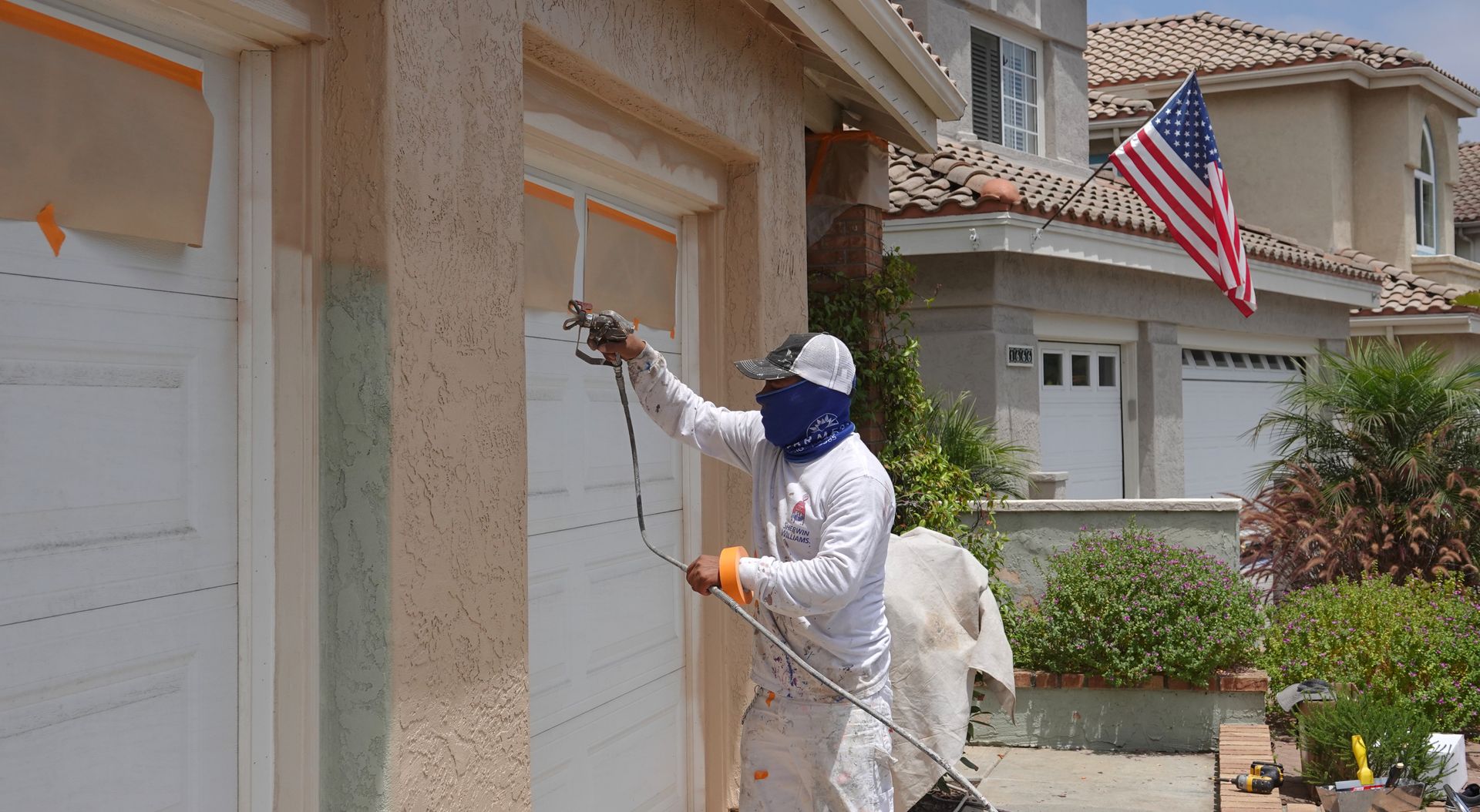
Exterior work involves more variables than interior projects because surfaces face wind-driven rain, thermal cycling, and UV degradation simultaneously. Wood siding may need spot repairs where moisture caused rot, stucco might require crack repair with elastomeric filler, and metal surfaces need rust treatment before primer application. Each substrate gets a coating system matched to its expansion rate and porosity—what works on smooth fiber cement performs differently on rough stucco.
Once finished, the coating forms a uniform barrier that sheds water rather than absorbing it, maintains color without fading to pastel shades within two years, and flexes with substrate movement instead of cracking at seams. You'll see consistent sheen across all elevations, clean lines where different colors meet, and protection that keeps wood dry and stucco sealed from moisture infiltration during monsoon season.
Quality exterior painting includes caulking all gaps where different materials meet, applying two finish coats over properly primed surfaces, and back-rolling sprayed applications to push coating into textured surfaces. The work doesn't include structural wood repair beyond basic board replacement or stucco remediation for underlying moisture problems that require separate contractor involvement.
Common Questions About This Service
Property owners often want clarity on how desert conditions affect coating performance and what preparation the existing surface condition requires.
What happens during surface preparation?
All loose and peeling paint gets scraped off, chalked surfaces get cleaned with appropriate solutions, and bare areas receive primer formulated for the specific substrate material before any finish coats go on.
How does El Paso's climate affect paint longevity?
Intense UV radiation and wide temperature swings break down standard paint binders faster than in moderate climates, making product selection and proper surface preparation critical for coatings that last seven to ten years rather than three to four.
When should exterior painting be scheduled?
Fall and spring offer ideal temperature ranges between sixty and eighty-five degrees, though winter work is possible during warm stretches—summer heat above ninety-five degrees causes application problems and poor curing.
What finish holds up best on stucco?
Flat or low-sheen finishes hide surface texture variations better than gloss, though elastomeric coatings with slight sheen provide better crack-bridging and dirt resistance for high-exposure walls.
Premier Home Updates addresses the specific challenges exterior surfaces face in the El Paso region, from substrate preparation through final coating application. Contact us for a written estimate that identifies existing surface issues and outlines the preparation steps your project requires.
